Whether you’re buying foodservice equipment for a single school, multiple schools, an entire district or a school production facility, there’s a lot to think about before you actually make a purchase.
The good news is, it doesn’t have to feel overwhelming. By taking the time now to think through your purchasing strategy, you can position yourself for success and feel confident that you’ve made the right foodservice equipment investments for you and your students.
So what do you say? If you’re ready, let’s dive in and explore the many purchasing considerations, tips, challenges and solutions that impact foodservice equipment buying environments for K-12 schools.
What’s Inside the Purchasing Guide for K-12 Schools
- Purchasing Perspectives
- Operation Type and the Role of Equipment
- Overcoming Purchasing Hurdles
- Popular Foodservice Equipment for K-12 Schools
- Success After the Purchase
Purchasing Perspectives
While some foodservice equipment purchases may be up to you and you alone, that’s not always the case. More often than not, there are other influencers and decision-makers involved in the evaluation and buying process. By understanding these players’ roles, you can ensure that purchases meet the needs and priorities of the greater group.
Common Purchasing Players and What Is Important to Them
Purchasing Managers
- Pricing and discounts
- Timelines and supply chains
- An easy buying process
- Specifications, certifications and energy ratings
- Warranties and contracts
- Federal, state, local and school compliance
- Proper management of food safety, special diets and allergies
- Equipment performance and vendor quality
Foodservice Directors
- Safety, health and well-being of students and staff
- Production costs and waste reduction
- Operational efficiency and productivity
- Scratch cooking, farm-to-school programs and other ways to deliver quality and nutritious menus
- Proper management of food safety, special diets and allergies
- Vision and reputation of the program
- Training and retaining employees
Nutritionists
- Nutritious, balanced menus
- Proper management of food safety, special diets and allergies
- Federal, state, local and school compliance
- Menu variety across meal periods
- Affordability and waste reduction
- Vision and reputation of the foodservice program
- Nutritional training and education of students, parents and staff
Kitchen Managers
- Menu consistency and quality
- Staff speed and productivity
- Kitchen safety and sanitation
- Proper management of food safety, special diets and allergies
- Student, parent and staff satisfaction
- Ease of employee training
- Durability and reliability of equipment
- Vendor educational resources and support
Culinary Directors
- Menu flexibility and variety
- Production costs and waste reduction
- Staff speed and productivity
- Quality, balanced meals that meet nutritional requirements
- Proper management of food safety, special diets and allergies
- Federal, state, local and school compliance
- Vendor educational resources and support
School Board Members
- Vendor ability to meet school needs and conditions
- Clear and complete bid submissions
- Product and vendor reputation
- Pricing, discounts and overall value
- Federal, state, local and school compliance
- Historical relationship with a vendor
- Public perception
Applying Perspectives to Purchases
When evaluating equipment, put yourself in other players’ shoes. What would they say about the equipment’s features and functionality?
Operation Type and the Role of Equipment
Purchasing considerations may look different depending on if you’re buying equipment for an individual school, multiple schools, an entire district or a school production facility. Many equipment is universal enough to work across all types of operations, but it’s still important to consider how certain equipment characteristics benefit one operation over another.
Individual school
While equipment purchases for an individual school should still leave room for flexibility, you have more freedom to tailor your purchases to the school’s specific space, menu priorities, challenges, program vision and goals.
Equipment example
Waffle makers
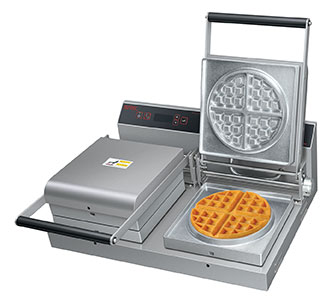
Single-school purchases can be a good opportunity to incorporate specialty equipment like waffle makers that support a hot trend such as all-day breakfast.
Multiple schools
A multi-school buy doesn’t always require the same equipment selections for each school, but there is efficiency in identifying a single model that will meet the needs of an entire group of schools.
Equipment example
Drawer warmers
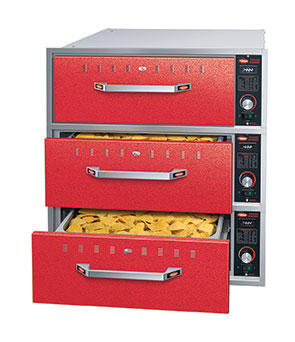
Drawer warmers support varying heat and moisture needs to accommodate different schools’ menus. Some models even offer optional colored drawer fronts to help flag allergenic foods!
Districts
District-wide purchases need to be versatile, but they also must address current conditions such as the labor market, community pressures and other factors that tend to hit school districts harder than individual or multi-school buying arrangements.
Equipment example
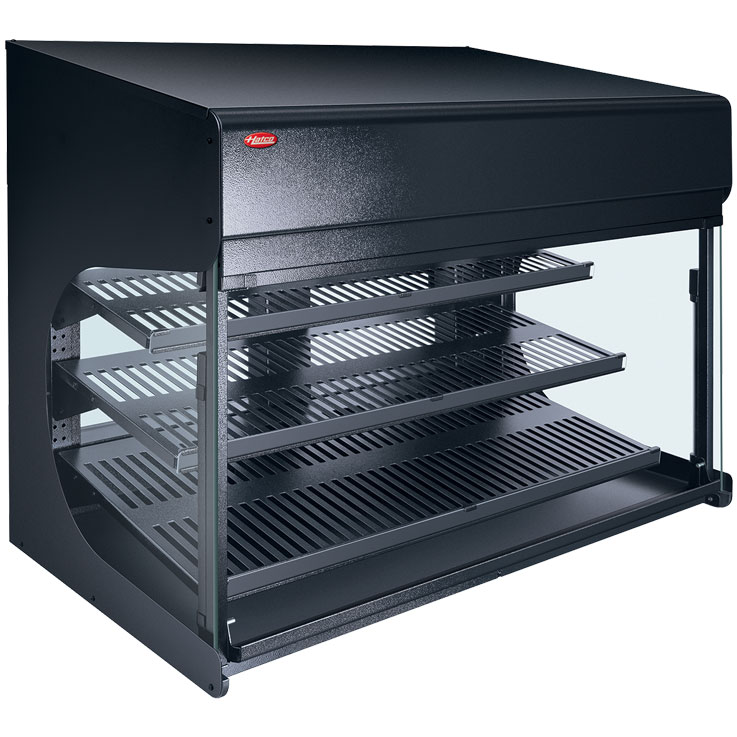
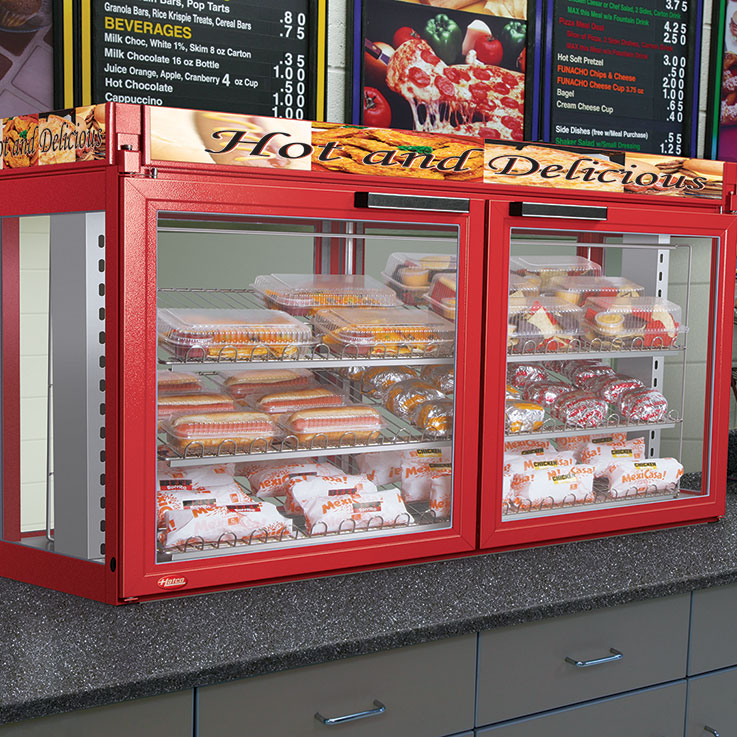
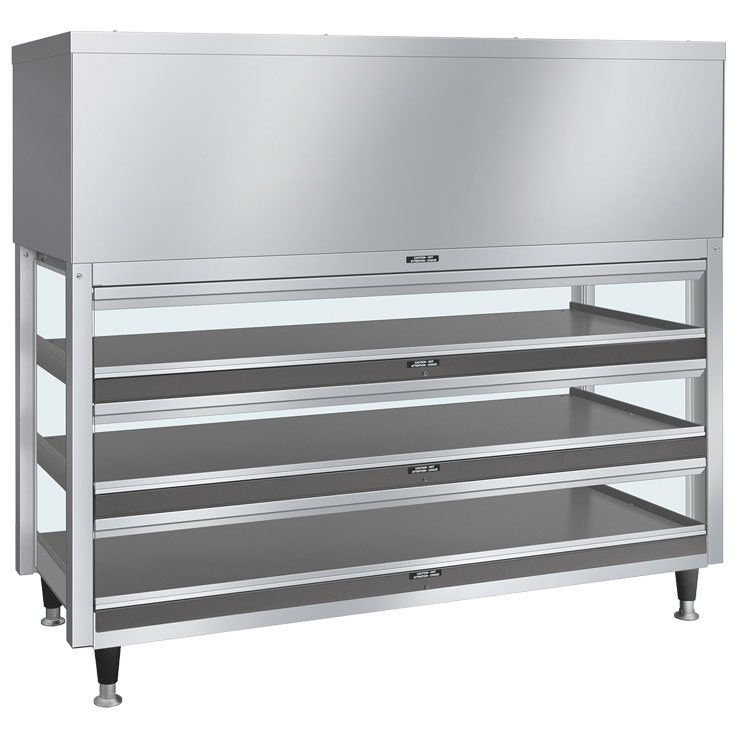
Merchandisers
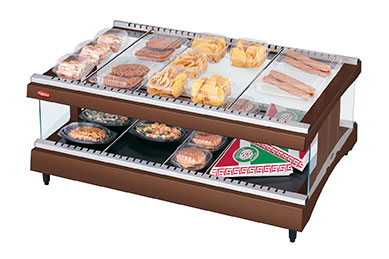
Self-service holding solutions like merchandisers keep food hot while converting any cafeteria line into a self-service station that reduces reliance on staff and minimizes the risks associated with the ups and downs of the labor market.
Production facilities
Equipment purchases for an off-site production facility must prioritize quality, reliable back-ofhouse equipment that supports higher volumes, batch cooking, speed, sanitation, durability, transportable menus and more.
Equipment example
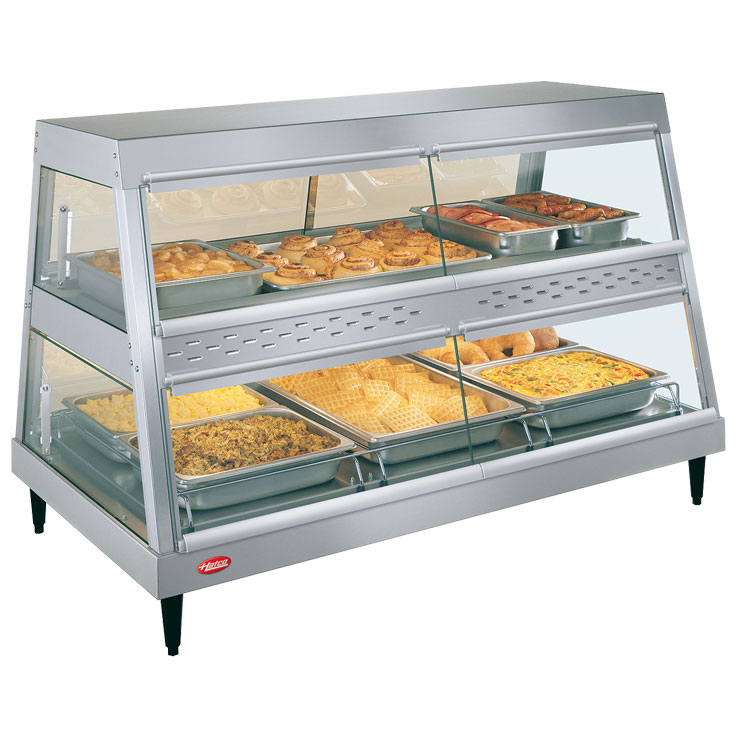
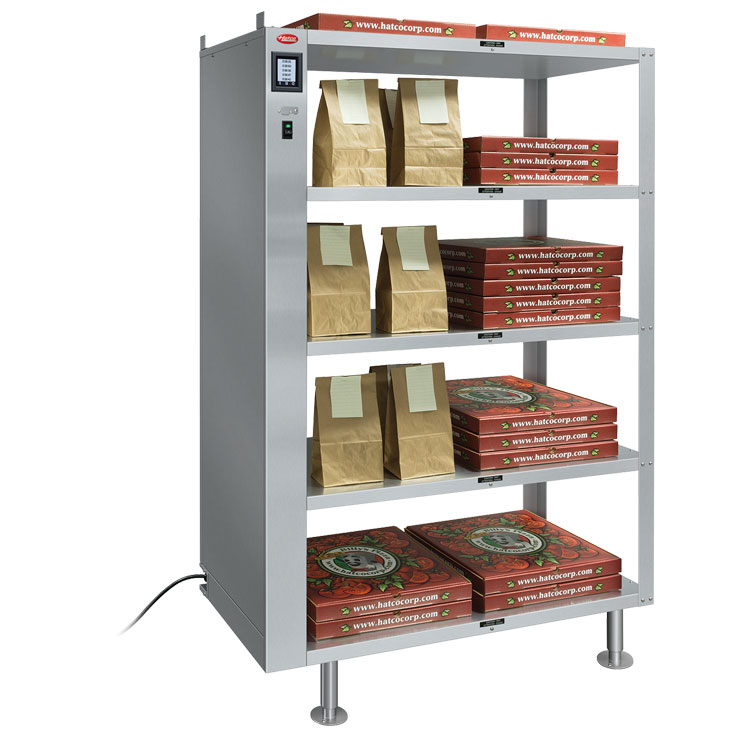
Holding shelves
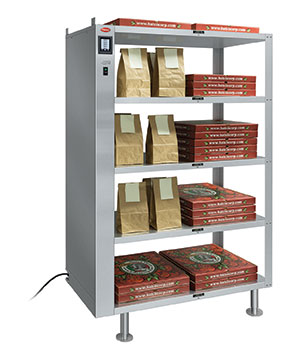
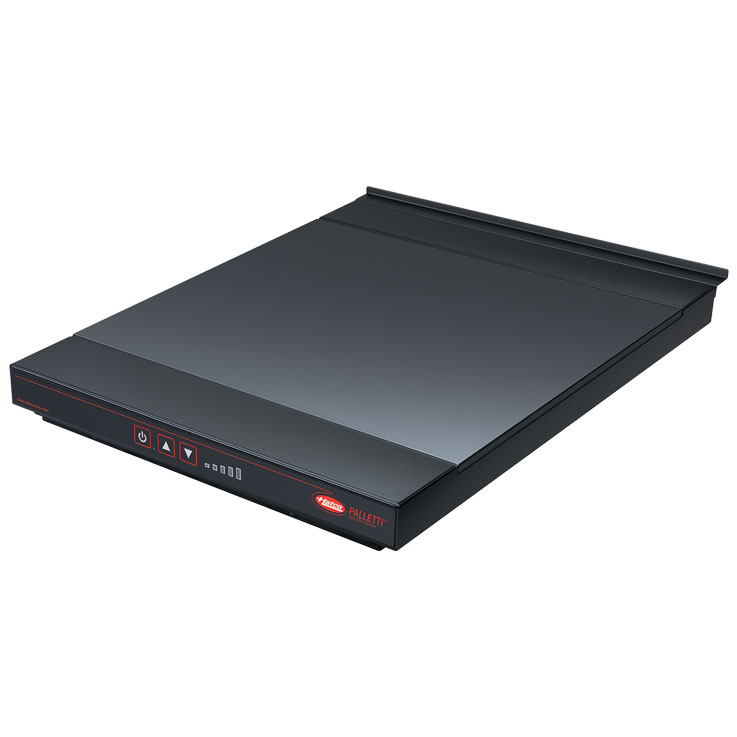
Vertical, high-capacity heated shelves free up precious space while providing easy-to-access holding for high volumes of pre-packaged meals awaiting school delivery.
Overcoming Purchasing Hurdles
The ultimate goal of purchasing is to find the absolute best solutions for your needs. But to ensure this happens, you must learn to take each challenge that comes your way in stride. To help, let’s take a look at a few common hurdles facing K-12 foodservice equipment buyers.
Information Gathering
Let’s be honest. Researching foodservice equipment can be exhausting. A simple online search can easily devolve into something unrecognizable. You might begin with an innocent inquiry into the best multi-purpose equipment for schools and find yourself 2 hours later watching an online documentary about penguins (no judgment, we’ve all been there).
The key to keeping your research on track is a thorough and well-run vendor evaluation period. If you are conducting a formal RFP process, you can take this opportunity to lean on vendors for information and insights. Just make sure you’re asking the right questions and structuring your RFP in a way that will get you the information and answers you need to make the best purchasing decisions possible.
Tips to Conduct a Winning RFP Process
- Don’t be afraid of an RFI. Including a huge list of vendors in an RFP can result in information overload and make your job harder. If you don’t already have a shortlist of vendors, start with a request for information (RFI) so you can qualify and disqualify vendors earlier in the process and determine who you actually want to include in your RFP.
- Be as specific as possible. When writing your RFP, clearly articulate your goals, equipment requirements, expectations, timelines and challenges so vendors can provide you with the information and proposal that will best meet your needs.
- Establish clear evaluation criteria. Let vendors know the exact criteria and scoring system you will use to evaluate proposals. This not only sets your vendors up for success, but it also helps you fairly evaluate all of your options.
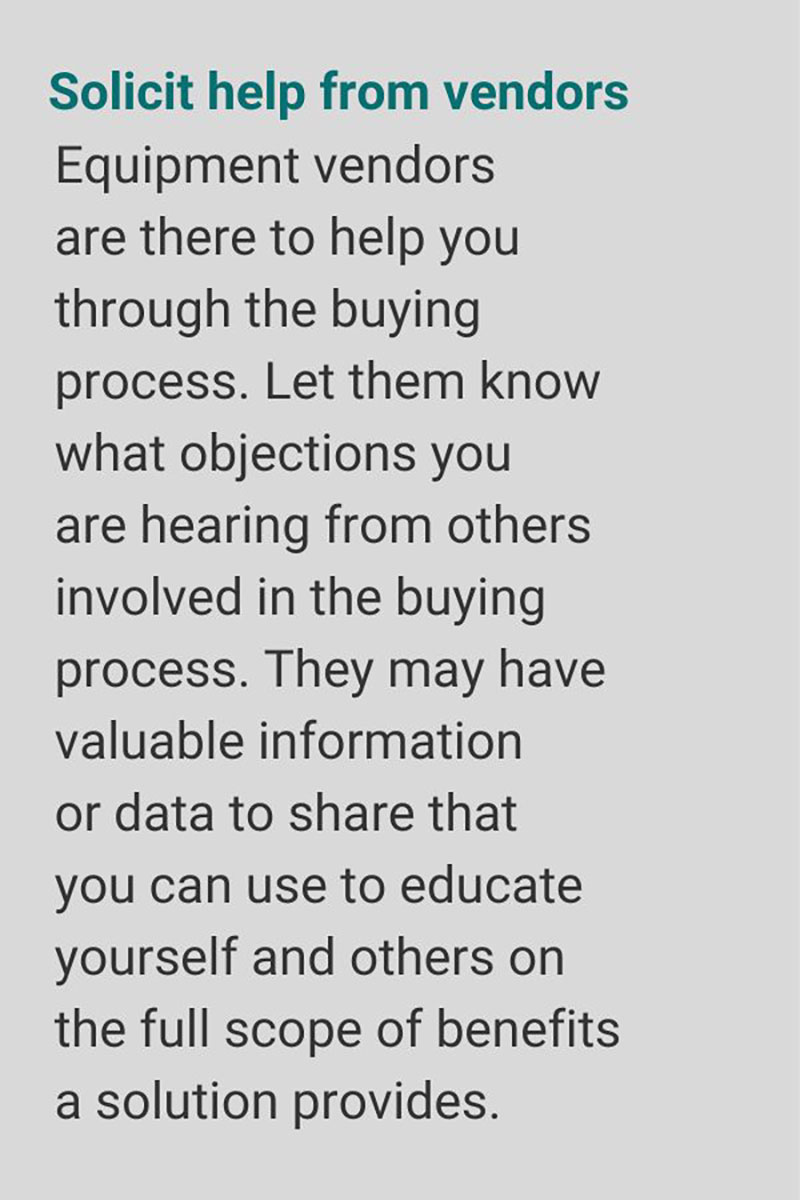
- Help vendors help you. Ensure vendors have access to you or another decision-maker during the RFP process. You want vendors to supply you with the best information possible, which means it’s beneficial to set aside time for vendors to ask questions and get a better understanding of your needs.
- Leverage a range of vendor resources. Ask vendors for additional resources and hands-on opportunities — such as videos, in-person product demonstrations, upcoming trade shows, events and other materials — that will help you familiarize yourself with their offerings.
Budgets
No matter what your equipment budget is, it’s probably lower than you’d like. To ensure you get the most out of your budget, spend it wisely. From add-ons to warranties and delivery costs, know what is and isn’t included in your pricing. Ask questions too. New innovative technologies, multi-purpose solutions and larger capacity options are often available and can help you stretch your budget further.
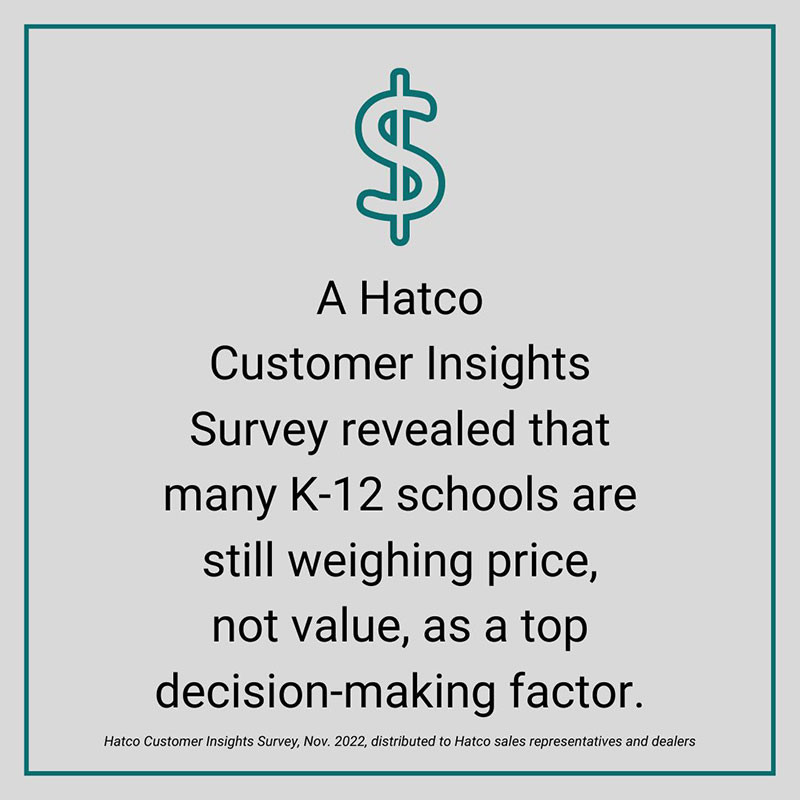
That said, it’s also important to look beyond the price tag. Regulations on school spending, purchasing restrictions and board approvals can make it harder to move from a price-driven model to one that is structured around value. But the transition is worthwhile. If your cooktop has a really low price point but breaks in a year or doesn’t perform well, it is going to cost you more in the long run. On the flip side, if you pay extra for certain features, you may create revenue opportunities and save on things like food waste and labor costs. The key is to spend your budget on equipment that will deliver the greatest return on investment (ROI).
Transitioning Equipment Purchases From Price to Value
Evaluating the ROI of an equipment purchase is the first step in moving toward a value-driven buying model. While all equipment is different and delivers ROI in its own unique ways, there are four key areas you should explore when evaluating the long-term value of an equipment purchase:
1. Labor Savings
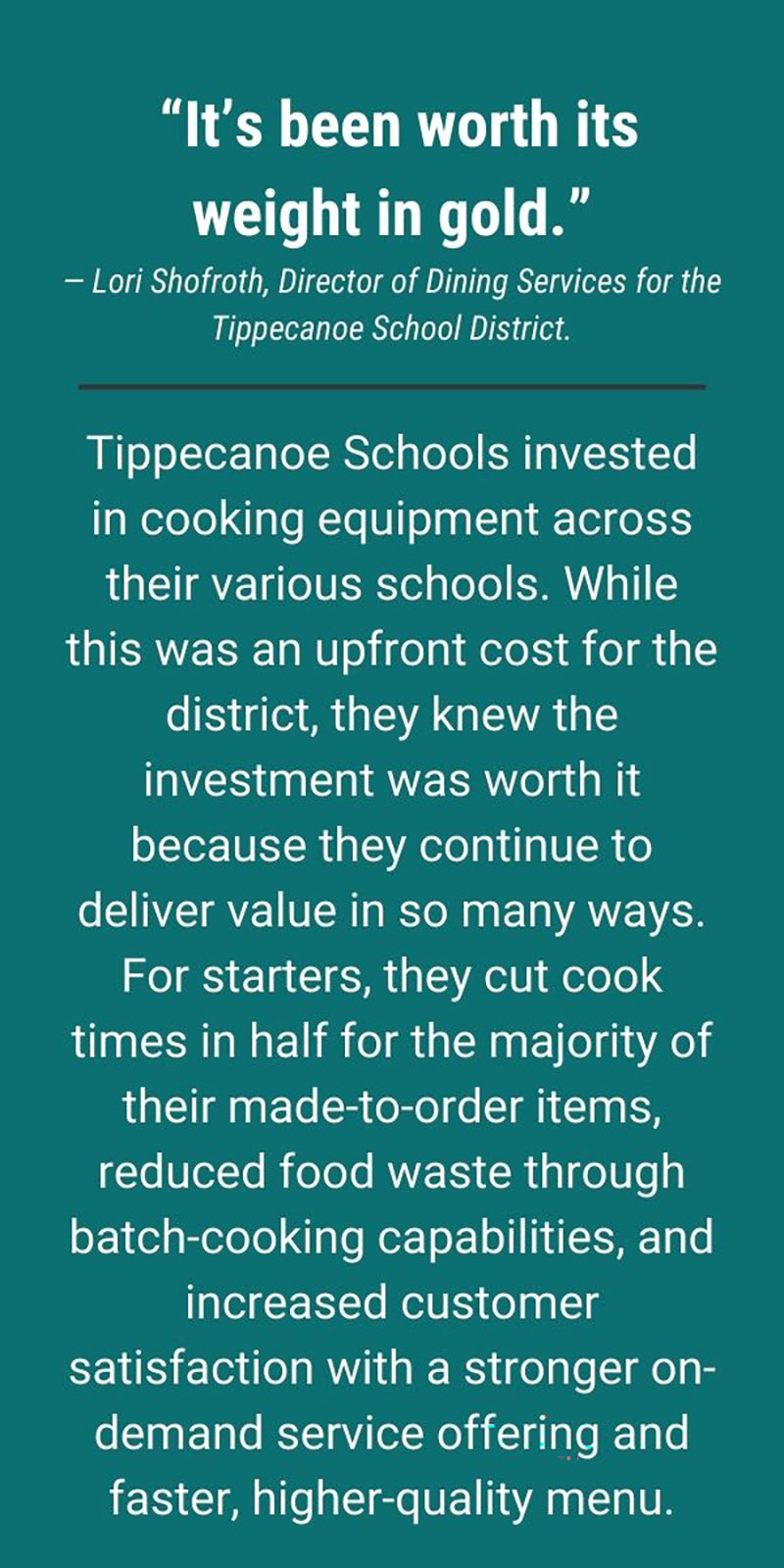
Labor expenditures are often the highest costs associated with running a foodservice operation. Therefore, if you can find equipment that saves time, automates tasks and reduces your need for highly skilled, high-cost equipment operators, you can save on labor costs. Drive greater ROI with equipment that offers speed-inducing technology, programmable cook cycles and temperatures, self-service capabilities, or even robotics that do everything from packaging grab-n-go items to cleaning floors and more.
2. Waste Reduction
To help combat food waste, look for equipment with features that automate cooking tasks to prevent burnt or inconsistent menu items from ending up in the trash. Also think about volumes; if you routinely toss a lot of unused items at the end of a meal time, maybe equipment that supports small-batch or on-demand cooking is the ticket. Lastly, make sure you have a holding solution that keeps your food at temperature without compromising its safety, integrity or quality. This ensures food actually ends up in students’ bellies, rather than the waste bin.
3. Energy Efficiency
According to a National Restaurant Association survey, almost two-thirds (63%) of foodservice operators say energy utility costs are a significant challenge they need to overcome. Thankfully, quality, eco-friendly equipment can help; you just need to know what features and capabilities to look for. From energy efficient technology to zone heating, automatic on-and-off functionality, power save modes, solutions with high-quality insulation, LED bulbs and more, there’s a number of cost-saving areas to explore across any equipment type.
4. Revenue Growth
While foodservice equipment has a number of cost-saving advantages, it should also help you drive revenue — whether that’s by opening up new opportunities or helping you get more out of your existing offering. Exactly how this looks depends on your goals. Want to keep up with demand better? Bring on equipment that will infuse more speed into your operation so you can turn more tables and get more to-go orders out the door. Interested in testing a new menu item? Opt for versatile or multi-purpose equipment that will give you the flexibility to stray from (or return to) your regular offering. Whatever the case, before you purchase any new equipment, ask yourself how it will help deliver greater ROI by driving more demand.
Blockers and Naysayers
There’s usually a number of people involved in the buying process, which means not everyone will agree which equipment types and vendors deserve a piece of the budget. You have your opinions and they have theirs, but that doesn’t mean you can’t get them to see things from your point of view.
To build a case for a particular investment, you need to appeal to the needs and priorities of the individuals who are standing in your way. Remember all of the different decision-makers and influencers that we discussed earlier in this resource? Well, think about how a particular equipment type will make their lives easier. Is quality control or employee retention a stressor in their current day to day? OK, how can the equipment you want help with this? Oftentimes, you just need to position a solution in the right light.
That said, make sure you’re also listening to others’ wants, needs and perspectives. They may also have a valid case for why a different type of solution deserves a place in the buy. And who knows, there’s a good chance it can also help you accomplish your goals.
Availability and Delays
Delivery timelines can vary wildly depending on the particular product you’re interested in, order volume, equipment vendor, and the current state of the supply chain. Before making a purchase, talk with vendors about how long equipment will take to arrive (they should be able to give you a ship date). If lead times are longer than you can stomach for a key piece of equipment or supply chain delays are a concern, ask if there are quick-ship alternatives. Hatco, for example, keeps over 300 of their most popular equipment models stocked, so they’re ready to ship the same or next day. Depending on your timelines, this type of quick-ship program might be a good option for you.
Compliance
As you know, federal, state, local and school regulations, laws and standards can make procuring school foodservice equipment more complicated and nuanced. The first step in overcoming this challenge is to understand what is expected of you from a compliance standpoint. The last thing you need is to get fined for noncompliance, so make sure you are up to speed on the latest requirements that will impact you and your school. From here, you should provide vendors with a written overview of all rules and regulations that will impact your purchase decisions and process. The RFP is a good place to do this, but really any documented overview will help vendors understand the requirements, so they can provide you with the information and equipment that will meet your needs.
Peace of Mind
If you’ve worked with a vendor in the past, it’s easy to know whether or not you can trust them to deliver on the solutions and service you expect. But if you’re trying out a new vendor for the first time, you may be feeling a little uneasy about how everything will go. Luckily, there are things you can do to put your concerns to rest.
If you have a discretionary budget, consider testing a new vendor out by making a smaller, incremental purchase. Also, take a look at the vendor’s reputation. What do others have to say about them? A top- notch vendor will stand by their products and have a proven track record with customers. They’ll have expertise across your industry and within the equipment category you’re interested in. Ask for references, gather insights from industry peers, check out reviews and look into the company’s history. If the company has a long-standing reputation for quality, there’s a good chance you are on the right track.
Finally, review the vendor’s warranty policy. Even with the best equipment on the market, you want to know there’s a safety net in the event something goes wrong. Look for equipment that’s warranted for at least 12 months from the purchase date. Some companies only offer warranties on parts. Make sure both parts and labor are covered, as the repairs can often be the most expensive piece of the equation. Lastly, even if a company covers parts and labor in their warranty, make sure to check the fine print. Some companies cover parts and labor, but will charge you exorbitant fees for travel time, gas and mileage.
Popular Foodservice Equipment for K-12 Schools
Budgets, priorities and the unique needs of your particular foodservice operation will ultimately dictate the equipment types you purchase. That said, there are a number of popular equipment types K-12 schools should consider.
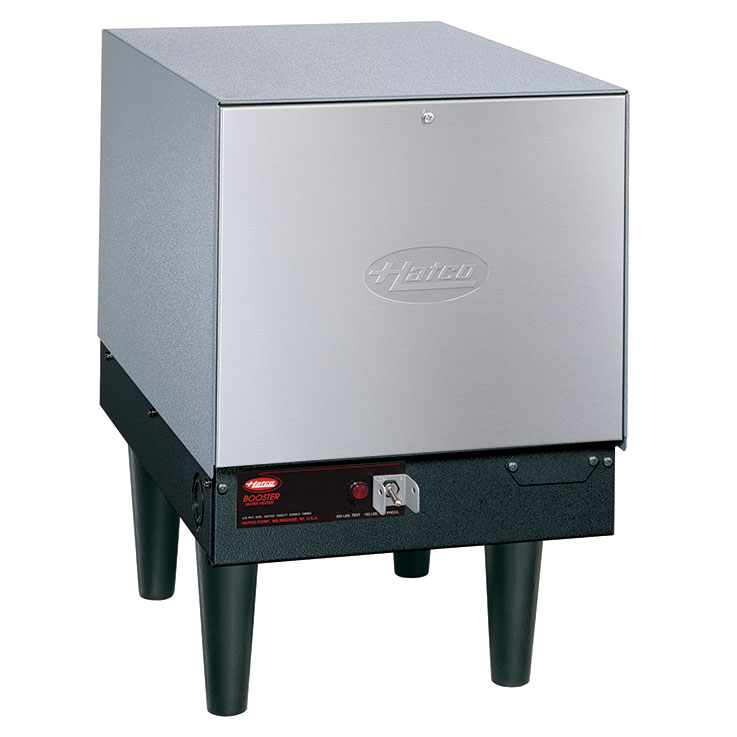
- Booster water heaters
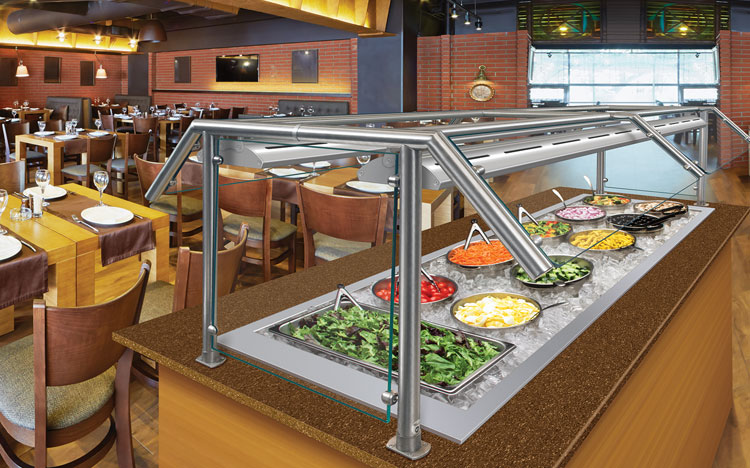
- Buffet warmers
- Chip warmers
- Cold wells
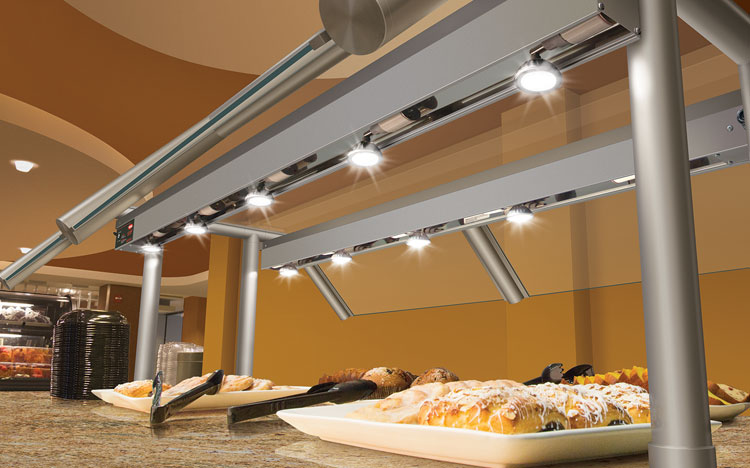
- Decorative lighting
- Display cabinets
- Display cases
- Doorless merchandisers
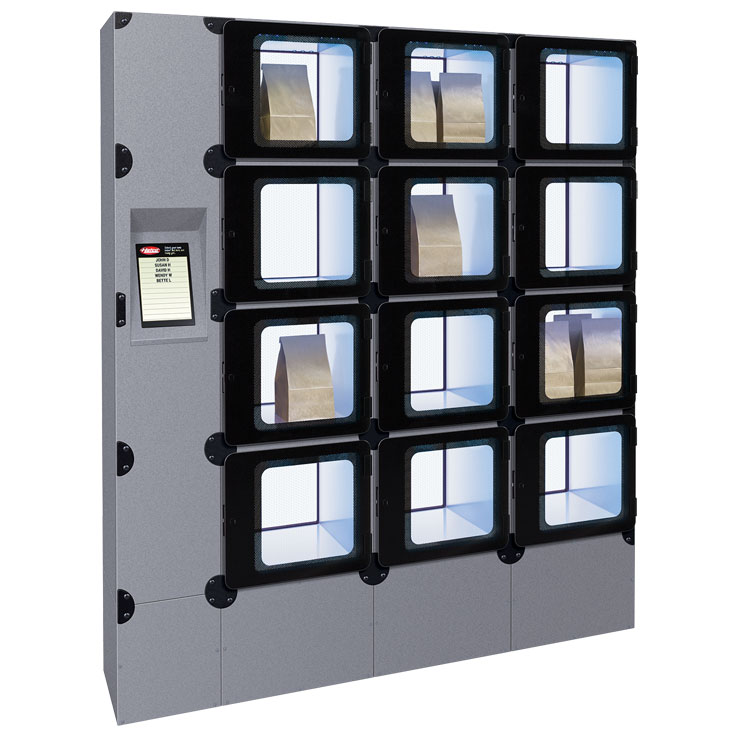
- Food lockers
- French fry warmers
- Frost tops
- Heated shelves
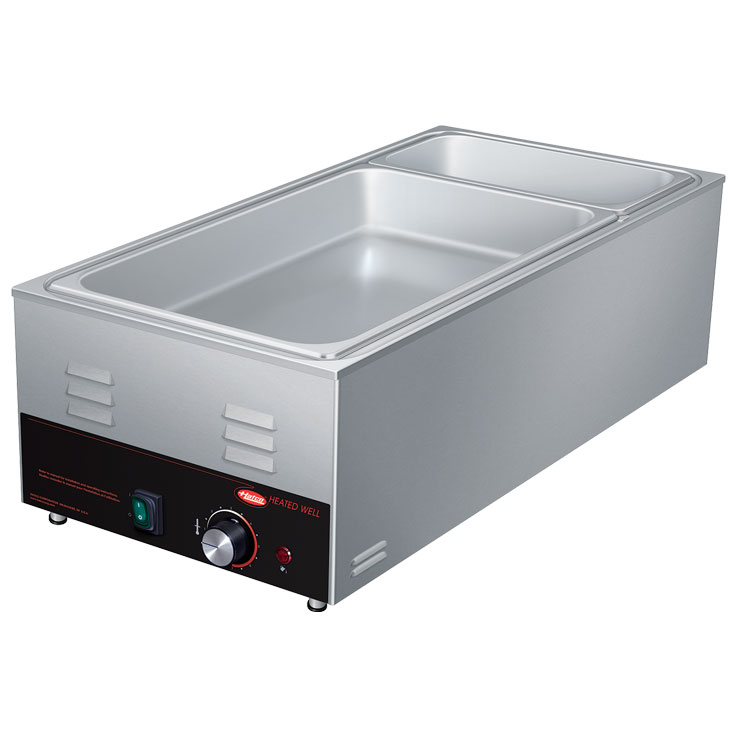
- Heated wells
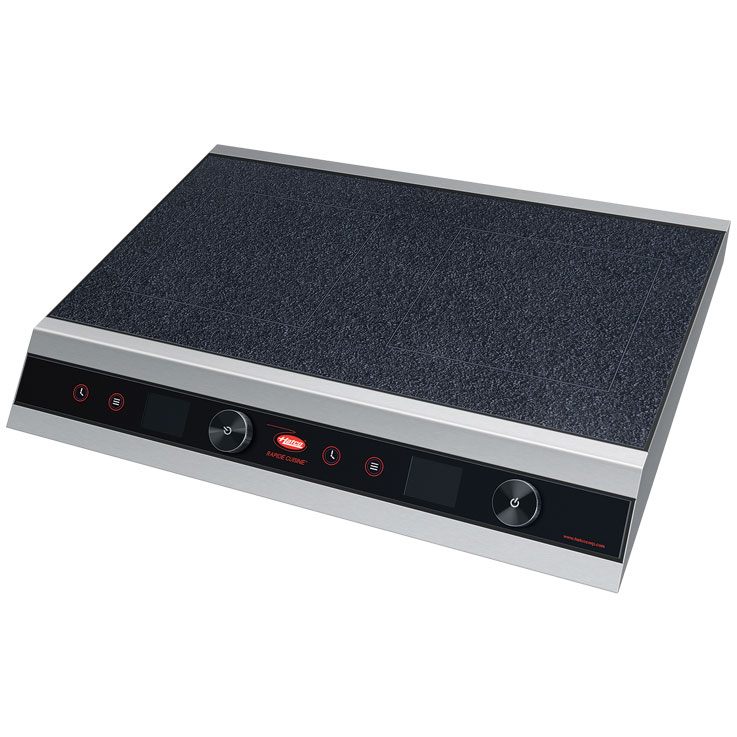
- Induction cooktops
- Mini display warmers
- Portable holding cabinets
- Portable warmers
- Proofers
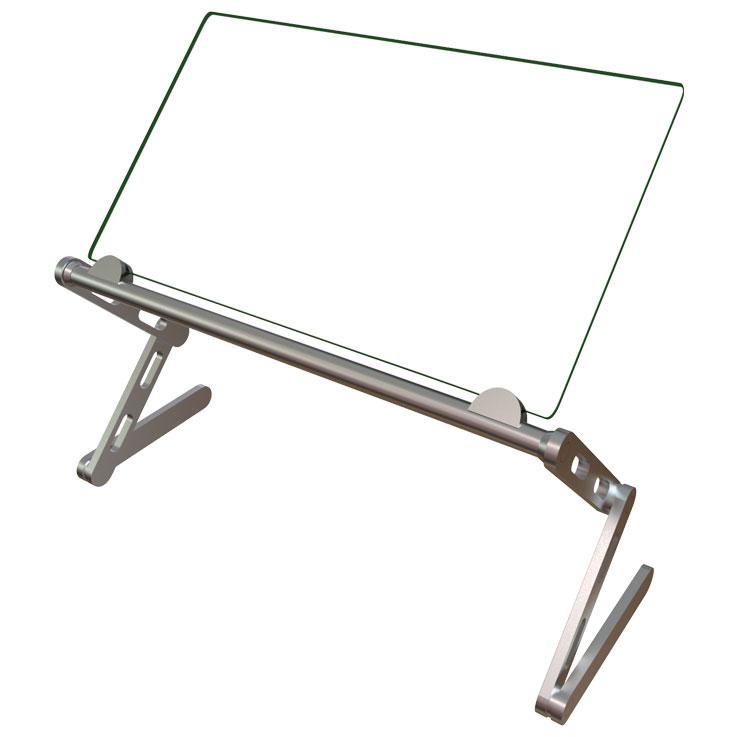
- Sneeze guards
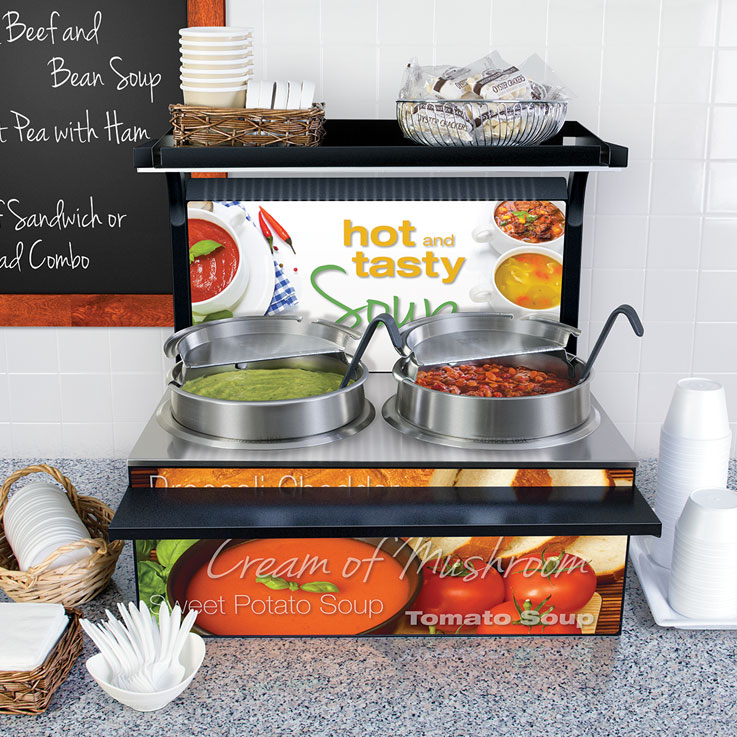
- Soups wells
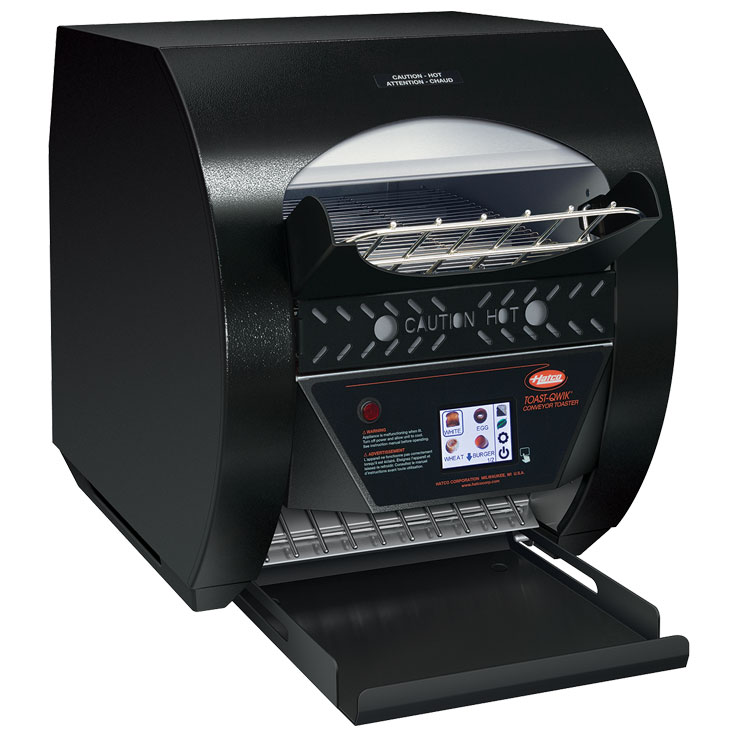
- Toasters
Click here to explore more K-12 solutions!
Success After the Purchase
We’ve talked a lot about what you should keep in mind before making a foodservice equipment purchase, but there are also things you need to do after the purchase to ensure you get the most out of your investment. No matter how well-made and durable equipment is, you still need to show it some love. Giving your foodserviceequipment the care it requires will prolong its life, prevent unnecessary servicing and ensure it operates as efficiently as possible. Take care of your equipment and it’ll take care of you.
Tips for Happy and Healthy Foodservice Equipment
Don’t assume: All foodservice equipment is different. Always consult the manufacturer’s equipment manual for proper installation, maintenance, operation and cleaning procedures. While you may have a good idea of what’s required, you should always follow the manufacturer’s instructions.
Keep it clean: Equipment needs to be regularly and safely cleaned. Keeping the exterior of your equipment free of grime and debris is a must, but depending on the equipment type, you may need to also clean the interior of the unit. Again, always consult the manufacturer’s manual for exact cleaning protocols and details on what should and should not be cleaned by you.
Go pro: Equipment requires regular maintenance. When servicing a unit, you should always use an authorized service agent. These folks know the ins and outs of foodservice equipment and will Ensure that whatever you need is done right the first time. Be sure to ask the vendor for recommended service agents that they’ve vetted, as some professionals will know a manufacturer’s equipment better than others.
Train employees: Even before you set up a maintenance schedule, train your team on how to use equipment properly. Misusing your equipment is a sure way to shorten its lifespan or even void your warranty. If you don’t take proper care of equipment, there’s a good chance manufacturers won’t cover maintenance costs as part of a warranty claim. The good news is, many equipment manufacturers provide printable manuals, which you can use to train your staff. Once your training is complete, place these manuals in easy-to-access areas near your equipment in case questions come up.
Put Your Trust in Hatco
Since 1950, Hatco has proudly partnered with K-12 schools to provide quality, reliable foodservice equipment and knock-your-socks-off customer service. Trusted as a premier commercial foodservice equipment manufacturer, Hatco stands by its commitment to excellence and goes above and beyond to provide customers with innovative, quality cooking, holding, serving and specialty foodservice equipment. To learn more about Hatco and to check out the latest product offerings, visit hatcocorp.com or find a rep near you.
Did you enjoy this content? Click here to download an expansion on this content as a PDF!